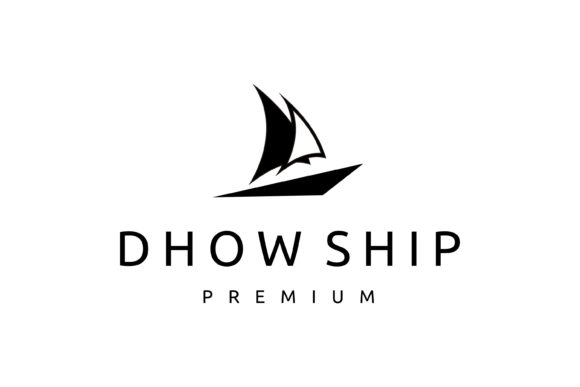
Dhow Ship Traditional Sailboat from Asia: A Timeless Design for Modern Use
The Dhow Ship Traditional Sailboat from Asia is more than just a symbol of maritime heritage—it’s a versatile and visually striking design that continues to inspire artists, designers, and entrepreneurs today. Originally crafted by skilled shipbuilders in the Indian Ocean region, dhows have been used for centuries for trade, fishing, and transport. Their elegant lines and sail-based propulsion reflect a deep understanding of wind and sea patterns, making them an iconic representation of Asian nautical culture.
Why Choose the Dhow Ship as a Vector Graphic?
For creative professionals, the dhow ship offers a unique aesthetic that can elevate branding, illustrations, or educational content. Whether you're designing a logo, creating a travel poster, or illustrating a cultural project, the Dhow Ship Traditional Sailboat from Asia provides a rich visual narrative. Using vector graphics—especially an EPS 10 100 vector file—ensures scalability without loss of quality, making it ideal for both digital and print applications.
Understanding EPS Files and Adobe Illustrator
When working with the Dhow Ship Traditional Sailboat from Asia vector file, it's important to use the right tools. The recommended software is Adobe Illustrator, which allows full access to editable elements such as paths, curves, colors, and text. Opening the file in another program may limit your ability to modify the design effectively.
- Scalability: Vector files maintain clarity at any size, perfect for everything from business cards to billboards.
- Customization: You can easily change colors, adjust shapes, and reposition elements using Illustrator.
- Non-editable Text: Be aware that some text layers might be embedded or non-editable. If you need to update copy, you may need to install the same font used in the template.
Common Mistakes When Working with the Dhow Ship Vector File
Many users download the Dhow Ship Traditional Sailboat from Asia vector graphic with excitement but run into issues due to misunderstandings about how to handle it. Here are some common pitfalls and how to avoid them:
1. Not Using Adobe Illustrator for Editing
Opening an EPS file in basic image viewers like Photoshop or even Microsoft Word will not provide full editing capabilities. These programs often flatten the vector layers into raster images, which cannot be resized or modified without losing quality. Always open the file in Adobe Illustrator first to ensure all elements remain editable.
Better approach: Before downloading, confirm the file format and required software. If you don’t already own Illustrator, consider investing in it or using a trial version to make necessary edits.2. Ignoring Font Requirements for Editable Text
If the design includes custom text (such as labels or titles), it may rely on specific fonts. If those fonts aren't installed on your system, the text could appear distorted or default to another typeface entirely. This affects the overall look and professionalism of your final product.
Solution: Check if the file uses non-standard fonts. If so, download and install them before proceeding with your edits. Most reputable providers will include instructions or list required fonts in the description.3. Overlooking Element Layers and Grouping
Vector files often contain multiple layers and grouped elements. Beginners sometimes try to edit individual components without understanding the structure, leading to unintended changes or broken designs. For instance, adjusting the mast might inadvertently affect the sails or rigging if they’re linked incorrectly.
Practical tip: Use the Layers panel in Adobe Illustrator to explore the file’s organization. Ungroup elements carefully when needed, and always work on duplicates to preserve the original layout.4. Misusing the File for Inappropriate Applications
While the Dhow Ship Traditional Sailboat from Asia is beautiful, it’s not suitable for every project. Some people attempt to use it in contexts where its scale or style doesn’t match, such as in minimalist logos or high-tech infographics. This mismatch can confuse the audience or dilute the message you want to convey.
Example: A marine tourism brand might successfully integrate the dhow into their promotional materials, while a tech startup would likely find it out of place unless they’re highlighting cultural innovation.What to Check Before Downloading or Purchasing the Dhow Ship Vector File
To ensure you get the most value from the Dhow Ship Traditional Sailboat from Asia vector file, here are key factors to consider before purchasing or downloading:
- License Type: Confirm whether the file is royalty-free, editorial-use only, or requires attribution. This determines how you can legally use it across different platforms.
- Resolution and Format: Make sure the file is in EPS format and check if it supports CMYK or RGB color modes depending on your intended use (print vs. web).
- Font Availability: Review the file details for any mention of custom fonts. If present, verify that they are free for commercial use or available for purchase.
- Design Accuracy: Look for reviews or previews that show the level of detail and historical accuracy in the illustration. This is especially important for educational or cultural projects.
- Compatibility: Ensure the file works well with your current Adobe Illustrator version. Older versions may not support newer features like advanced path effects or transparency settings.
Real-World Example: Enhancing a Cultural Tourism Poster
Imagine you're designing a poster for a cultural tourism campaign in Oman. You decide to feature the Dhow Ship Traditional Sailboat from Asia as a central element. However, after downloading the EPS file, you notice the text "Historic Dhow" appears in a foreign language or has incorrect sizing. Without knowing the font used, you risk altering the look unintentionally.
A better workflow would involve:
- Opening the file in Illustrator to inspect layers and text.
- Identifying and installing the correct font for any editable text.
- Adjusting colors and positioning to match the brand’s theme.
- Exporting the final design in multiple formats (PNG, JPEG, PDF) for various uses.
How to Maximize the Value of Your Dhow Ship Vector File
To truly leverage the Dhow Ship Traditional Sailboat from Asia in your work, think beyond just placing the image. Consider these strategies:
1. Customize for Brand Identity
Use the dhow as part of a larger visual identity system. Change the hull color to match your brand palette, add your company logo, or incorporate it into a background pattern. This helps create a cohesive and culturally resonant design.
2. Combine with Other Elements
Enhance the dhow illustration by adding complementary elements such as palm trees, waves, or traditional Arabian architecture. This creates a more engaging scene and tells a richer story.
3. Repurpose for Different Mediums
Because it’s a vector file, you can use the dhow in various formats—from website headers to embroidered patches. Just remember to export correctly for each medium to maintain quality and usability.
Final Thoughts on Choosing the Right Dhow Ship Vector File
The Dhow Ship Traditional Sailboat from Asia is a powerful visual tool that connects modern audiences with ancient maritime traditions. By choosing a high-quality EPS 10 100 vector file and handling it with care, you can ensure your project benefits from its timeless appeal and technical flexibility.
Always take time to understand the file’s structure, licensing, and font requirements before diving into edits. With the right approach, this classic vessel can become a cornerstone of your next creative endeavor—whether it’s for marketing, education, or personal inspiration.
Remember, the best results come from thoughtful preparation and using the right tools. So open that EPS file in Adobe Illustrator, explore the layers, and let the spirit of the dhow guide your design journey.