Morph Font: A Contemporary Typographic Tool for the Future
Typography plays a crucial role in visual communication, especially in design fields that require a modern or futuristic aesthetic. One such typographic solution gaining traction is Morph Font. Designed with a forward-thinking approach, this font offers a unique blend of style and functionality suitable for a variety of applications—from gaming logos to UI/UX elements and beyond.
What Is Morph Font?
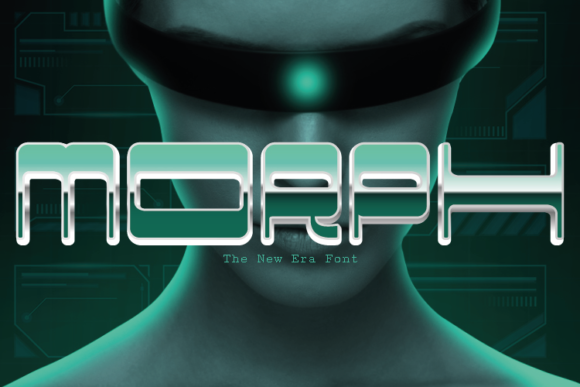
Morph Font is a contemporary typeface crafted to evoke the essence of futuristic design. Its structure incorporates geometric shapes and fluid transitions between characters, giving it a dynamic appearance that aligns well with digital and technological themes. As a PUA (Private Use Area) encoded font, Morph Font provides access to a wide range of glyphs and swashes without the need for complex setup, making it user-friendly for designers who want to enhance their projects quickly and efficiently.
Why Designers Are Interested in Morph Font
Designers often seek fonts that stand out while maintaining readability and versatility. Morph Font appeals particularly to those working in niches like synthwave, vaporwave, game design, and tech branding. Its clean lines and stylized forms make it ideal for creating visual identities that project innovation and trendiness. Additionally, its adaptability across different media—digital assets, posters, apparel, and vehicle designs—makes it a valuable tool in diverse creative workflows.
Key Reasons for Interest:
- Its futuristic and stylized look aligns with modern design trends.
- PUA encoding simplifies the use of special glyphs and stylistic elements.
- It supports both digital and print-based design applications effectively.
- It’s useful for branding initiatives targeting tech-savvy audiences.
Benefits and Tradeoffs of Using Morph Font
Like any design element, using Morph Font comes with advantages and limitations. Understanding these can help determine if it fits your specific needs.
Benefits:
- Modern Aesthetic: Morph Font delivers a sleek, futuristic feel that resonates with current visual trends in technology and gaming industries.
- Accessibility of Glyphs: The PUA encoding allows easy access to additional symbols and decorative elements, enhancing creative possibilities without cluttering the character map.
- Versatility: It works well in various contexts, including logos, posters, app interfaces, and even fashion like techwear apparel.
- Consistency Across Platforms: With proper embedding, Morph Font maintains its visual integrity on web and mobile platforms, ensuring a professional appearance wherever used.
Tradeoffs and Considerations:
- Limited Legibility at Small Sizes: Due to its stylized nature, the font may not be as readable in smaller text sizes or long paragraphs compared to more traditional typefaces.
- Not Ideal for All Genres: While it excels in futuristic and digital contexts, it may not be the best choice for historical, minimalist, or highly formal designs where subtlety is key.
- Learning Curve for Advanced Features: Although PUA encoding makes glyph access easier, some users may still benefit from familiarizing themselves with how to navigate and apply these features correctly.
Situations Where Morph Font Excels
Morph Font is particularly well-suited for projects where a bold, futuristic identity is essential. For example:
- Gaming Logos: Its edgy and stylized form helps create memorable brand marks that resonate with gamers and esports communities.
- UI/UX Design: When designing digital products with a modern or tech-forward theme, Morph Font can contribute to an intuitive and visually engaging interface.
- Futuristic Posters and Concepts: Whether you're illustrating a prototype concept or promoting a sci-fi event, this font adds a sense of anticipation and innovation.
- Digital Assets and Branding: From website headers to social media banners, Morph Font supports cohesive branding in digital spaces.
- Techwear Apparel and Vehicle Design: Its sleek and dynamic characteristics complement modern fashion and automotive aesthetics, offering a strong visual statement.
When to Consider Alternatives
While Morph Font has many strengths, there are scenarios where alternative fonts might be more appropriate. Consider the following:
- High-Readability Needs: If your project requires extensive body text or small-sized typography, a more conventional sans-serif or serif font would likely perform better.
- Formal or Traditional Contexts: In corporate communications, legal documents, or classic branding efforts, a font with a more timeless or neutral appearance could be preferable.
- Specific Cultural or Historical Themes: For designs rooted in retro, vintage, or heritage styles, other typefaces might offer greater authenticity.
- Budget Constraints: Always ensure that the licensing terms of Morph Font align with your budget and usage requirements. Some similar fonts may offer comparable aesthetics at lower costs or under more flexible licenses.
Practical Tips for Evaluating Morph Font
To determine whether Morph Font is the right choice for your project, consider the following steps during your evaluation process:
- Test in Real Context: Apply the font to sample designs or mockups to see how it performs in your intended environment. Pay attention to legibility, contrast, and overall visual impact.
- Compare with Similar Fonts: Look at other futuristic or tech-oriented fonts side by side to assess uniqueness and suitability for your goals.
- Check Licensing: Review the font’s license agreement to understand permitted uses, redistribution rights, and commercial restrictions. This ensures compliance and avoids potential issues later.
- Consider Scalability: Test how the font looks at different sizes. If it struggles with clarity at smaller scales, it may not be the best fit for certain applications.
- Evaluate Technical Support: Since the font’s documentation mentions the option to contact for questions, assess the availability and responsiveness of support channels if needed.
Aligning Morph Font with Your Design Goals
The decision to use Morph Font ultimately depends on your design objectives. If your goal is to communicate innovation, energy, or a digital-first mindset, this font is a strong candidate. However, if your project demands subtlety, tradition, or high readability in dense text, you may find it better to explore alternatives.
Think about the tone you want to set and the message you’re trying to convey. Does Morph Font reflect the desired emotion and purpose? How does it interact with other design elements like color schemes, imagery, and layout structures? These considerations will guide your selection process and help you choose a font that truly enhances your work.
Conclusion
Morph Font is a compelling option for designers aiming to incorporate a futuristic and dynamic typographic presence into their work. Its PUA encoding and versatile application across multiple design domains add practical value. However, its effectiveness is context-dependent, and careful evaluation is necessary to ensure it meets your specific needs.
By understanding the benefits, tradeoffs, and appropriate use cases, you can decide whether Morph Font is the right tool to elevate your next project. If you have further questions or need guidance on implementation, reach out to the font’s creators or support team for assistance.