Retro Lab: A Modern Playful Font for Creative Projects
Typography plays a crucial role in visual communication, especially for professionals and hobbyists who rely on design to convey ideas. In this context, Retro Lab stands out as a font that blends nostalgia with modern flair. Created by Kong Font Studio, this display typeface has gained attention for its playful yet refined aesthetic, making it a popular choice among crafters, designers, and content creators working across digital and print media.
What is Retro Lab?
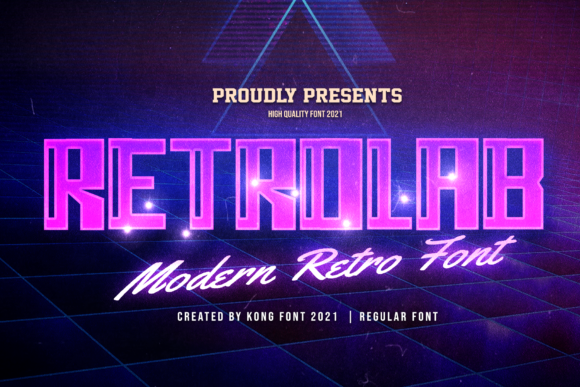
Retro Lab is a display font designed to evoke the charm of vintage aesthetics while maintaining the crispness and clarity needed for contemporary design work. Display fonts are typically used for headlines, logos, posters, and other high-impact text elements rather than body copy. Retro Lab fits this category perfectly, offering a bold and expressive style that can enhance branding, packaging, and creative layouts without overwhelming the viewer.
Its name suggests a blend of retro influences and experimental creativity, which aligns well with its design philosophy. The font combines rounded edges, exaggerated letterforms, and subtle inconsistencies—hallmarks of hand-drawn or stylized typefaces—that give it character and warmth. These features make it ideal for projects where personality and visual appeal are key.
Key Characteristics of Retro Lab
- Playful Style: The font’s curves and irregular shapes add a sense of fun and spontaneity, distinguishing it from more formal sans-serif or serif options.
- Modern Compatibility: Retro Lab works seamlessly with design tools like Adobe Photoshop and Silhouette Design Studio, supporting both digital illustration and vector-based crafting applications.
- High Readability at Larger Sizes: While not recommended for long-form text, the font maintains excellent legibility when used for headings, titles, or short phrases.
- Stylized Lettering: The font includes alternate characters and ligatures that allow for customization and a more organic feel.
- Versatile Weight Options: Depending on the package, users may have access to different weights or styles, enabling them to adapt the font for varied applications such as background textures or focal points.
Who Can Benefit Most from Retro Lab?
This font is particularly suited for individuals and businesses in the creative industries. Crafters, especially those in scrapbooking, card-making, or DIY signage, will appreciate how Retro Lab adds a whimsical touch to their handmade projects. Similarly, graphic designers looking to create eye-catching social media posts, posters, or branding materials will find value in its unique appearance.
Entrepreneurs and small business owners might use Retro Lab for product packaging, labels, or promotional materials aimed at younger or nostalgic audiences. Its retro vibe can be especially effective in niches like vintage-inspired fashion, artisanal food products, or independent music promotions.
Bloggers and publishers could leverage the font for headers or pull quotes, adding a distinctive look to articles or newsletters. Educators and content creators who produce visually engaging slides or educational materials may also benefit from using Retro Lab to highlight key terms or sections.
Practical Applications and Real-World Use
In practice, Retro Lab shines in contexts where visual storytelling is important. For instance, a boutique coffee shop owner designing a seasonal menu board might choose this font to create a warm, inviting atmosphere reminiscent of classic diner signs. Alternatively, a freelance graphic designer working on a children’s book cover could use Retro Lab to infuse a sense of playfulness into the title.
The font’s compatibility with tools like Photoshop and Silhouette Design Studio makes it accessible to both digital and physical creators. Whether layering text over photos, creating vinyl decals, or producing custom SVG files for cutting machines, Retro Lab offers flexibility and ease of integration.
Strengths and Limitations
One of the primary strengths of Retro Lab is its ability to stand out. In an age where minimalist design is often favored, this font provides a refreshing alternative for those seeking to inject energy and emotion into their visuals. It’s also relatively lightweight in file size, which is beneficial for web designers and app developers concerned about performance.
However, it’s essential to consider the limitations. Like many display fonts, Retro Lab is not optimized for readability in small sizes or dense paragraphs. Overusing it in body text or across multiple platforms could lead to a disjointed user experience. Additionally, while its playful nature is an asset in certain scenarios, it may not align with the tone of professional or corporate environments where a more traditional font would be appropriate.
Evaluating Quality and Usability
As a font developed by Kong Font Studio, Retro Lab reflects a strong understanding of typography fundamentals. The balance between form and function is evident in the careful shaping of each glyph. Despite its stylistic flourishes, the font remains consistent in structure and proportion, which is critical for ensuring usability across different mediums.
From a technical standpoint, the font supports standard OpenType features, including ligatures and alternate glyphs. This gives users the ability to fine-tune their designs for added creativity. Moreover, its clean rendering on screens and in print ensures that it looks sharp regardless of the output format.
For those new to font evaluation, here are a few practical tips:
- Use it sparingly to maintain visual hierarchy.
- Pair it with a more neutral font (like a sans-serif or slab serif) for contrast and balance.
- Test it at different sizes and distances to ensure legibility in your specific project.
- Consider color and spacing carefully, as these factors can significantly impact how the font is perceived.
Why Choose Retro Lab for Your Project?
If you're looking for a font that brings character to your designs without sacrificing quality, Retro Lab is worth considering. It’s especially useful when aiming to create a retro-modern aesthetic, such as for throwback campaigns, vintage-themed branding, or any project that benefits from a nostalgic yet contemporary feel.
Realistic examples include:
- Designing a retro-style album cover for an indie band.
- Creating a birthday invitation with a vintage flair.
- Adding a headline to a blog post about 90s pop culture.
- Producing signage for a local market or artisanal store.
Each of these uses leverages the font's core qualities—its distinctiveness, charm, and compatibility with modern design tools—to deliver a compelling visual message.
Long-Term Value and Consistency
While trends in typography come and go, Retro Lab has the potential to remain relevant due to its balanced approach. It doesn’t lean too heavily into gimmicks but instead offers a thoughtful mix of stylization and readability. This makes it adaptable to evolving design needs without becoming obsolete quickly.
Consistency is another factor where this font excels. The lettering maintains a cohesive look across uppercase and lowercase letters, numbers, and punctuation marks. This level of consistency is vital for branding purposes, where visual harmony is key to building recognition and trust.
Final Thoughts and Recommendations
When selecting a font like Retro Lab, it’s important to align it with your overall design goals. If your project calls for something lively and memorable, this font can serve as a valuable asset. However, if you need something more subdued or highly readable for extended text, you might want to explore alternatives.
Creators should also consider licensing and usage rights before incorporating the font into commercial work. Purchasing through reputable platforms like Creative Fabrica ensures access to proper licenses and ongoing support. Always check the terms of use provided by the studio to avoid unintentional violations.
In summary, Retro Lab is a versatile and expressive font that bridges the gap between nostalgia and modern design sensibilities. With its playful yet polished appearance, it offers real-world utility for a wide range of creative applications. As always, the best way to determine if it fits your workflow is to test it in your actual projects and see how it performs in context.